(This is a conversation between me and Tech Explorer 📶) In this post, we’ll discuss the differences and similarities in RedCap vs eRedCap. This RedCap vs eRedCap comparison is important for anyone working with 5G IoT solutions.
Tech Explorer 📶:
Hi Mohamed! I keep hearing about eRedCap lately…
Is that just a fancier name for RedCap, or is it actually something new? By the way, could you elaborate on situations where RedCap vs eRedCap matters most?
Me (Mohamed):
You’re right to ask — it sounds similar, but eRedCap is a major evolution. Comparing eRedCap and RedCap really means diving into their unique use cases and features, so let’s look at both.
And I’ve seen this shift coming from the field for a while now. The RedCap against eRedCap debate has been getting more attention recently in the industry.
Let’s start from the beginning.
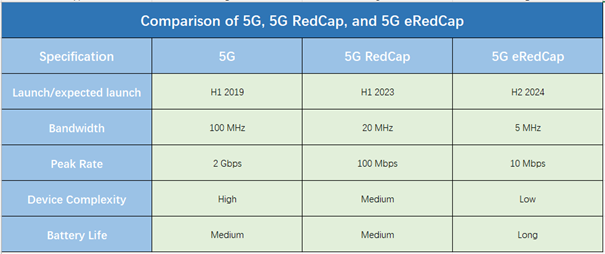
RedCap, or Reduced Capability NR, was introduced in 3GPP Release 17.
It’s designed for 5G devices that don’t need high throughput, like:
📷 Surveillance cameras
⌚ Wearables
🏭 Industrial sensors
🚦 Smart traffic lights
The goal is simple: reduce cost, size, and power consumption — while keeping native 5G performance for reliability, slicing, and security. In many applications, choosing between RedCap and eRedCap ensures efficient resource allocation.
In some smart cities and industrial projects I’ve worked on, we tested RedCap-capable modules — they delivered good results with ~85 Mbps downlink, no need for MIMO or carrier aggregation, and efficient idle state transitions.
Tech Explorer 📶:
Okay — so RedCap is great for lightweight 5G devices.
Then what exactly is eRedCap adding? In terms of RedCap versus eRedCap, what’s the breakthrough?
Me (Mohamed):
eRedCap — or evolved RedCap — is introduced in Release 18 and extended in Release 19. In terms of RedCap vs eRedCap, the latter pushes even further in both scale and low-cost IoT possibilities.
While RedCap targets medium-complexity devices, eRedCap goes even lower, aiming for massive-scale, ultra-low-cost IoT.
I’m talking about:
🔋 Smart utility meters
📦 Asset trackers
🌿 Agricultural sensors
🛰️ Ambient IoT tags
In short, RedCap is 5G for smart cameras, whereas eRedCap offers 5G IoT access for an even broader device class. The RedCap versus eRedCap consideration is key for choosing the right solution.
eRedCap is 5G for devices that sleep 23.9 hours a day.
And the technical specs reflect that:
❌ No mobility (or only static paging)
✅ Less than 10 MHz bandwidth
✅ Peak DL: ~10–20 Mbps
✅ Power-saving modes tailored for multi-year battery life
✅ Target BOM under $5 per module
Tech Explorer 📶:
Sounds a bit like NB-IoT or Cat-M, right? With this, is RedCap vs eRedCap a similar split to Cat-M versus NB-IoT?
Me (Mohamed):
Exactly. eRedCap fills that role — but it’s natively built into the 5G Core and works only in 5G Standalone. This distinction between RedCap and evolved eRedCap is crucial for those following the RedCap vs eRedCap debate in shifting from 4G-based to true 5G tech.
NB-IoT and LTE-M were bolted onto LTE and lacked:
- Consistent slicing
- Seamless mobility
- Tight security frameworks
- 5G-native service awareness
In contrast, RedCap/eRedCap UEs can participate in QoS flows, even with basic capabilities.
In one of our pilot PoCs, we tested eRedCap devices using slicing templates configured in the PCF, and they performed exactly as expected — no interference, low power, consistent scheduling via SPS. In fact, those trials highlighted the real-world difference in practice between RedCap vs eRedCap for various 5G deployments.
Tech Explorer 📶:
So what’s the real business impact?
Me (Mohamed):
Operators get to retire NB-IoT/LTE-M, simplify their RAN, and enable future-ready IoT over a single 5G infrastructure. The question of RedCap versus eRedCap is already shaping operators’ migration strategies worldwide.
For industries, eRedCap means:
✅ Reduced time to market
✅ Certified modules built for slicing
✅ Secure onboarding to the 5GC
✅ Standardized behavior across vendors
And in terms of deployment, Countries like China are already deploying eRedCap smart meters at scale. Ultimately, the right choice—RedCap or eRedCap—should match your network needs; RedCap vs eRedCap has become a central discussion in modern IoT rollouts.
In Europe, I’ve personally seen chip vendors integrating eRedCap profiles into industrial edge routers. As discussions evolve, we see the topic of RedCap vs eRedCap emerging in executive planning sessions for IoT upgrades.
Tech Explorer 📶:
So… when should teams start?
Me (Mohamed):
If you’re designing anything low-power or connected in the next 2 years, now is the time. Deciding early between eRedCap and RedCap improves roadmap planning, especially as the RedCap vs eRedCap choice impacts device longevity.
➡️ RedCap is already commercial in many 5G SA networks
➡️ eRedCap chipsets are arriving late 2025
➡️ By 2026, many operators will phase out LTE Cat-M and NB-IoT altogether
Start aligning with your RAN vendor and core supplier to enable RedCap slicing and support lightweight registration and UE contexts. It’s best to analyze the RedCap vs eRedCap options with your technical and business stakeholders.
📢 If this helped clarify the real difference between RedCap and eRedCap, please press the Like button to help others learn too!
🎓 Check below our online recorded course to learn more about the technology. In conclusion, understanding all aspects of RedCap and eRedCap is vital, and keeping up with RedCap vs eRedCap trends will help future-proof your 5G IoT strategy.
Benefit from Massive discount on our 5G Training with 5WorldPro.com
Start your 5G journey and obtain 5G certification
contact us: contact@5GWorldPro.com