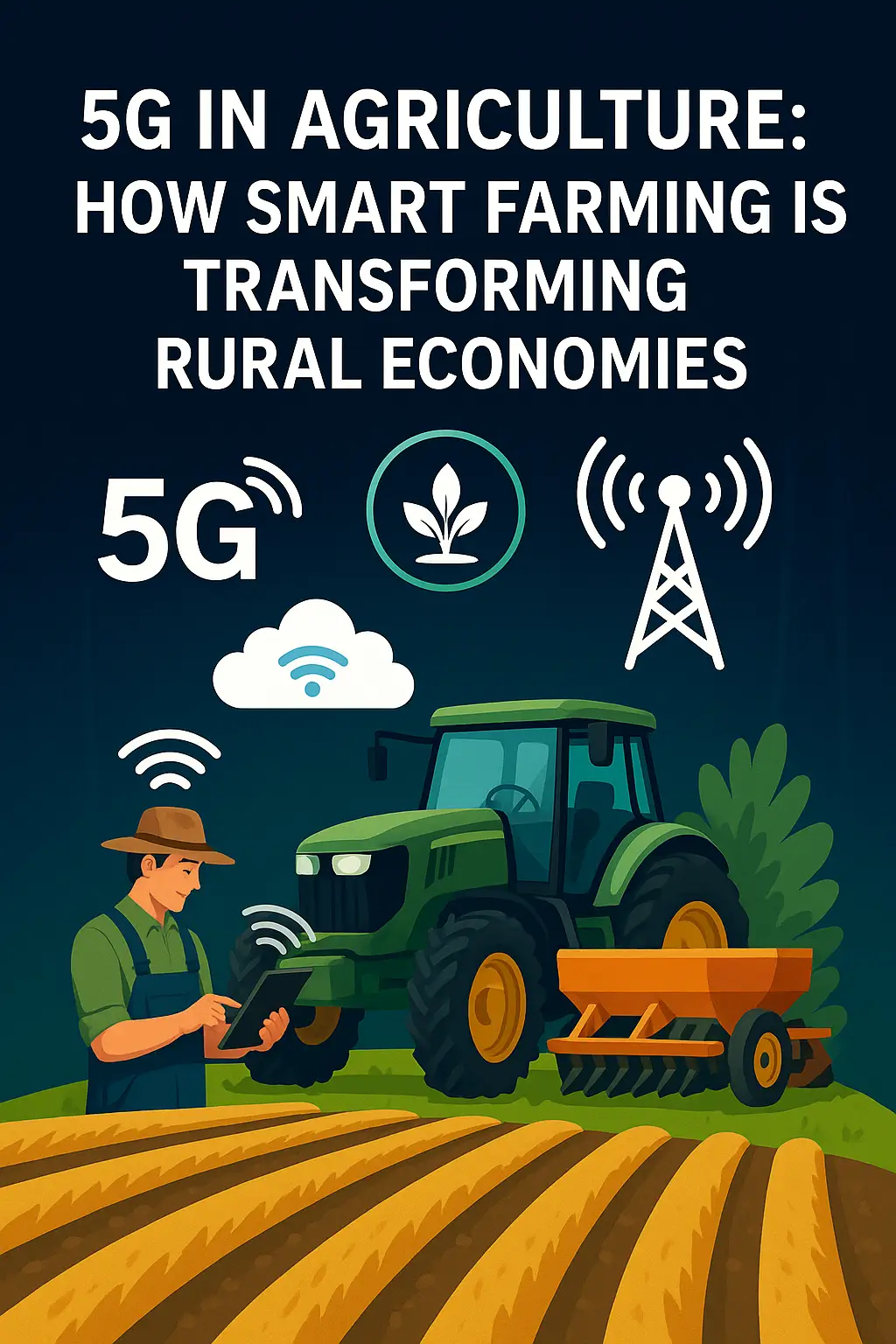
5G in Agriculture: How Smart Farming is Transforming Rural Economies
Agriculture, the backbone of many rural economies, is undergoing a technological revolution thanks to the rise of 5G networks and smart farming solutions. With ultra-fast connectivity, low latency, and massive IoT device support, 5G enables farmers to adopt innovative practices that boost efficiency, sustainability, and profitability. For telecom professionals and those seeking 5G training or telecom certification, this agricultural transformation opens up dynamic career opportunities at the intersection of technology and food production.
The Challenges of Traditional Farming
Conventional agriculture faces numerous hurdles, including unpredictable weather, limited resources, labor shortages, and fluctuating market demands. For many, closing the digital gap is paramount—and 5G in agriculture can transform rural economies by offering solutions that bridge technological divides. Rural connectivity gaps further hinder farmers’ access to real-time data, advanced machinery, and global markets. Bridging this digital divide is essential for global food security and rural prosperity—a challenge perfectly suited for 5G technology and modern telecom training programs.
How 5G Enables Smart Farming
5G networks provide the backbone for smart farming solutions by offering:
- Ultra-reliable low-latency communication (URLLC): Enables real-time control of autonomous tractors, drones, and irrigation systems.
- Massive IoT connectivity: Supports thousands of on-field sensors monitoring soil, weather, and crop conditions.
- Enhanced mobile broadband: Delivers high-resolution imagery and video analytics for precision agriculture.
With the adoption of 5G technologies in agriculture, these capabilities empower farmers to make data-driven decisions, reduce waste, and maximize yields—all while conserving resources and lowering environmental impact.
Key Applications of 5G in Agriculture
1. Precision Crop Monitoring
Sensors connected via 5G networks track soil moisture, nutrient levels, and plant health in real time. As an example of 5G advancing agricultural technology, farmers receive instant alerts to optimize irrigation, fertilization, and pest control—boosting productivity and reducing costs.
2. Autonomous Machinery and Drones
5G enables seamless remote operation of tractors, harvesters, and drones. These machines can plant, spray, and harvest crops with minimal human intervention, improving efficiency and safety. As 5G in agriculture grows, telecom engineer courses now often include modules on robotics and remote operations for agriculture.
3. Livestock Management
Wearable sensors monitor animal health, movement, and location. 5G’s reliability ensures timely alerts about illness, breeding cycles, or escape, allowing for prompt action and enhanced animal welfare as part of the progress of 5G in agricultural practices.
4. Supply Chain and Market Access
5G-powered tracking systems provide real-time updates on produce location, storage conditions, and delivery status. In fact, supply chain visibility is one key benefit realized through adoption of 5G in agriculture, which helps farmers access new markets and assures consumers of food quality and origin.
5. Environmental Sustainability
Smart irrigation systems use weather forecasts and soil data to minimize water use. Through 5G advancing sustainable agriculture, automated machinery reduces fuel consumption, and precise application of fertilizers and pesticides protects rural ecosystems.
Benefits for Rural Economies
- Increased productivity and profitability for farms—advances made possible as 5G in agriculture modernizes rural operations
- Job creation in agri-tech, network maintenance, and data analytics
- Reduced rural-urban divide through better connectivity and digital skills driven by the rise of 5G in rural agricultural communities
- Attracting youth to agriculture with tech-driven career paths
- Enhanced food security for communities and nations
Career Opportunities and Training Pathways
The fusion of agriculture and advanced telecom technology has sparked demand for professionals skilled in both sectors. When you combine your expertise in 5G technology with agriculture, “5G in agriculture” opens new career paths. Key roles and training options include:
- 5G Network Installer for Rural Areas: Requires 5G certification and knowledge of rural deployment strategies for 5G in agriculture projects.
- Smart Farming Solutions Specialist: Combines ICT courses, IoT expertise, and agricultural knowledge.
- Telecom Field Engineer (Agriculture Focus): Involves telecom training and hands-on experience with sensors, drones, and robotics.
- Data Analyst for Agri-Tech: Needs skills from online telecom training, big data, and precision agriculture analytics.
- Agri-Tech Project Manager: Requires telecommunications training programs and project management certification.
Many leading universities, online platforms, and industry groups now offer 5G training for professionals, telecom engineer courses, and sustainable technology certifications for smart farming careers, with curricula tailored toward 5G in the agriculture sector.
How to Get Started
- Assess your current skills in telecom, IT, or agriculture. Consider the emerging value of 5G in agriculture as you plan your next steps.
- Enroll in a relevant 5G course, telecom certification, or ICT training program—many are now available remotely.
- Gain practical experience via internships, agri-tech pilot projects, or rural deployment initiatives in the fast-growing 5G in agriculture space.
- Stay updated by joining industry associations, attending webinars, and following the latest in smart farming innovation where 5G in agriculture is often discussed.
The Future of 5G and Smart Agriculture
As 5G coverage expands and becomes more affordable, adoption of smart farming technologies will accelerate—especially in rural economies. It’s expected that 5G will continue to have a transformative impact on agriculture worldwide. Future developments may include:
- Integration of AI and machine learning for predictive crop management enabled by real-time data from 5G in agriculture
- Collaborative platforms connecting farmers, agronomists, and market experts in real time using 5G in agricultural data networks
- Greater use of robotics and automated logistics in food production and delivery supported by 5G technology dedicated to agriculture
- Sustainability-driven training and green tech certifications for rural professionals pursuing careers powered by 5G in agriculture
For those who invest in 5G telecom training and smart agriculture skills today, the opportunities to lead rural transformation in the field of 5G in agriculture are immense.
Conclusion
5G is the catalyst for a new era of smart, sustainable agriculture—empowering rural communities to thrive in the digital age. From precision farming to automated logistics, the intersection of telecom and agriculture is rich with opportunity for skilled professionals. The future will be shaped by leaders who understand the promise of 5G in agriculture. By pursuing advanced 5G training, telecom certification, and hands-on experience, you can play a pivotal role in transforming rural economies and shaping the future of food production.
Benefit from Massive discount on our 5G Training with 5WorldPro.com
Start your 5G journey and obtain 5G certification
contact us: contact@5GWorldPro.com