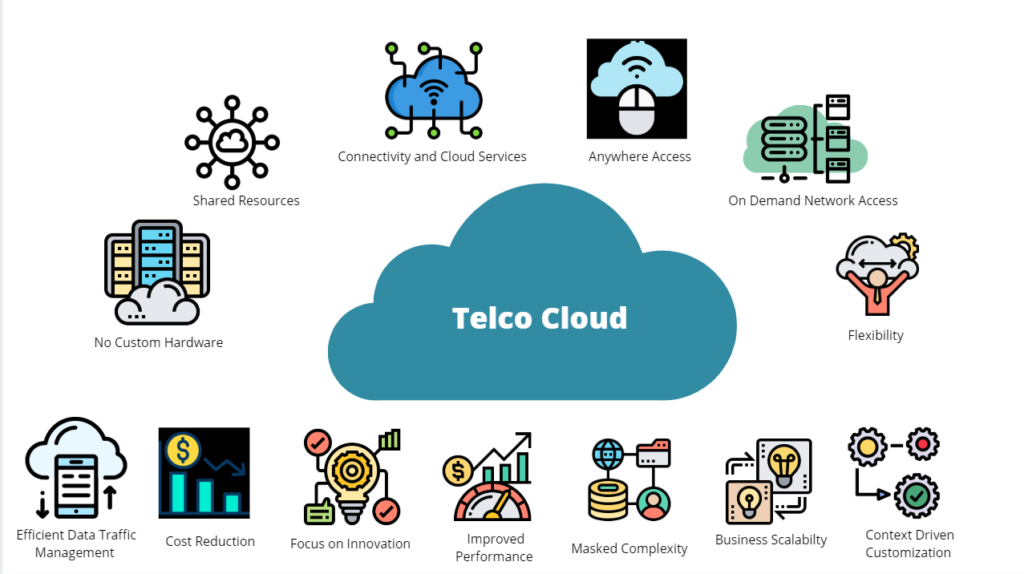
Let’s start with a quick introduction to Telco Cloud technology. (A quick conversation between 𝙈𝙚 and 𝙏𝙚𝙘𝙝 𝙀𝙭𝙥𝙡𝙤𝙧𝙚𝙧 📶)
𝙏𝙚𝙘𝙝 𝙀𝙭𝙥𝙡𝙤𝙧𝙚𝙧 📶:
Mohamed, we keep hearing terms like Telco Cloud, zero-touch, and autonomous networks…
But in real deployments — is this actually happening or just marketing noise? Telco transformation relies on the advances of cloud in telecom, otherwise known as the Telco Cloud.
𝙈𝙚 (𝙈𝙤𝙝𝙖𝙢𝙚𝙙):
Great question — and I’ve asked myself that many times in the field.
Let’s take it step by step.
🔹 Telco Cloud was the starting point: moving from hardware-defined networks to virtualized and software-defined infrastructure.
We started with VNFs (Virtual Network Functions) — like vMMEs or vPGWs — on OpenStack.
Then came CNFs (Cloud-Native Functions) on Kubernetes — especially in the 5G Core and SBA architecture.
But cloud is just infrastructure.
👉 Autonomous networks are about self-operating logic layered on top. When it comes to the Telco Cloud, that distinction between infrastructure and intelligence is key.
𝙏𝙚𝙘𝙝 𝙀𝙭𝙥𝙡𝙤𝙧𝙚𝙧 📶:So cloud is the engine… but autonomy is the driver? In discussions about the digital transformation of operators, Telco Cloud is often positioned as the engine beneath the innovation.
𝙈𝙚 (𝙈𝙤𝙝𝙖𝙢𝙚𝙙): Exactly. Here’s a breakdown:
1️⃣ Virtualization = software replaces hardware
2️⃣ Cloud-native = microservices, elastic, scalable
3️⃣ Automation = playbooks, scripts, templates
4️⃣ Autonomous = closed loops that monitor, decide, act, adapt. Establishing these four pillars is critical for successful Telco Cloud adoption.
In one project I led, we migrated a regional packet core to a telco cloud stack.
That reduced the footprint and OPEX — but real autonomy only came after we added telemetry + ML models + policy engines. Such progress highlights the evolving landscape of cloud technology in the telco domain—Telco Cloud in practical migration stories.
𝙏𝙚𝙘𝙝 𝙀𝙭𝙥𝙡𝙤𝙧𝙚𝙧 📶:Where does AI fit into this?
𝙈𝙚 (𝙈𝙤𝙝𝙖𝙢𝙚𝙙):It’s the brain of the system.
Autonomous networks need AI to process real-time data at scale. As Telco Cloud environments grow, AI’s role in automating diagnostics expands rapidly.
Here’s what advanced operators are doing: Leveraging Telco Cloud, leaders are implementing predictive and adaptive strategies across their networks.
• 📶 Predictive scaling — up/down capacity based on traffic
• ⚡ Energy saving — sleep cells, AI-controlled radio states
• 🔁 Closed-loop assurance — auto rollback if KPIs degrade
• 🛠 Root cause isolation — AI detects issues before alarms trigger. The synergy between closed-loop operations and Telco Cloud is transforming service reliability.
The key? NWDAF — the Network Data Analytics Function introduced in 5GC.
It allows inference models to run inside the core network. This is a great example of how analytics merges with Telco Cloud to modernize networks.
𝙏𝙚𝙘𝙝 𝙀𝙭𝙥𝙡𝙤𝙧𝙚𝙧 📶:What’s the gap between today and true autonomy?
𝙈𝙚 (𝙈𝙤𝙝𝙖𝙢𝙚𝙙): Here are the 4 biggest roadblocks I’ve seen:
• 🧱 Data silos — OSS, RAN, Core are disconnected
• 👥 Skill gaps — not enough ML Ops or policy expertise
• 🔒 Vendor lock-in — many automation tools are closed
• ❌ Intent translation — most systems focus on how, not what. Overcoming these roadblocks is essential for harnessing the potential of Telco Cloud frameworks.
In a recent workshop with an African MNO, we mapped SLA intents (like ultra-low jitter) into automated slice config and QoS triggers — across 4 layers.
So yes — it’s happening, but it needs architecture + mindset shift. A holistic Telco Cloud journey requires new ways of thinking and innovative planning.
𝙏𝙚𝙘𝙝 𝙀𝙭𝙥𝙡𝙤𝙧𝙚𝙧 📶:
So how do we get started?
𝙈𝙚 (𝙈𝙤𝙝𝙖𝙢𝙚𝙙):
Here’s a short operator playbook:
1️⃣ ✅ Cloudify key domains — core, OSS, transport on telco-grade Kubernetes
2️⃣ ✅ Unify telemetry — break data silos
3️⃣ ✅ Run closed-loop pilots — SLA assurance, healing, auto-scaling
4️⃣ ✅ Train teams — intent modeling, data analytics, not just CLI. As you follow these steps, you’ll be laying the groundwork for a more robust Telco Cloud environment.
📌 Most important: Start small.
Don’t aim for Level 4 automation on day one.
Autonomous doesn’t mean “no humans” — it means humans define the intent, and the system executes it. Finally, Telco Cloud initiatives take time—begin with incremental wins and grow from there.
🎓 Don’t miss our online recorded courses to learn more about the technology.
Benefit from Massive discount on our 5G Training with 5WorldPro.com
Start your 5G journey and obtain 5G certification
contact us: contact@5GWorldPro.com